Active sitting
Dynasit is more than an ordinary seat cushion. It is a registered therapeutic and preventive medical device for active sitting, supported by a medical foundation. The aim is not to replace movement, but to introduce natural instability into sitting, creating micro-movements and helping the body change position regularly. Comfort or movement? What you sit on is not the only thing that matters. Movement while sitting matters too. Foam can provide cushioning. An active cushion adds natural movement. Overview of the differences Eight areas in which a stable surface and dynamic sitting behave differently. A locked, mostly passive position. A dynamic surface that responds to body movement. Movement tends to be limited during prolonged concentration at work. Encourages gentle, continuous changes in pelvic position. Very low muscle activity. Muscles continuously respond to small changes in balance and body position. When the same position is maintained for a long time, loading on the discs gradually accumulates. Compensatory movements help interrupt prolonged static loading of the intervertebral spaces. Softness can provide an immediate feeling of comfort. A dynamic surface may require a short period of adjustment. It depends on the cushion's ergonomics, but generally provides only limited support for correct posture. The moving surface encourages more active positioning of the pelvis and spine. The user must consciously change position. The cushion's design naturally encourages regular changes of position. Soft, comfortable sitting. Soft cushioning with active, natural movement while seated. What happens in the body? During prolonged static sitting During active sitting How does active sitting work? The body does not sit completely still. It continuously responds to small changes in balance. The body's position changes naturally during work. The air filling responds to changes in pressure and balance. The pelvis and core muscles make a gentle compensatory movement. Dynasit in everyday life Dynasit medical cushions use a gently unstable air filling. It responds to shifts in weight and encourages subtle pelvic movement while working, studying or relaxing. Their compact design makes them suitable for most office, home and school chairs. On selected models, the intensity of the dynamic response can be adjusted by changing the amount of air. Movement can begin while you sit. Foam can improve comfort. Dynasit adds natural movement. Dynamic sitting and increased blood circulation contribute to better oxygenation, including that of brain cells. An increased oxygen supply to the brain supports mental activity and concentration. Active sitting on a Dynasit cushion supports healthy blood flow and improves the supply of oxygen-rich blood to tissues and organs. Active, dynamic sitting engages the core muscles and encourages their continuous response to changes in body position and balance. Helps position the spine in its natural S-shaped curve, providing appropriate support for the body. Active sitting on a Dynasit cushion helps prevent static overloading of the musculoskeletal system. It reduces pressure on the intervertebral discs, thereby limiting mechanical wear. Dynasit COMFORT models are designed to relieve pressure on the coccyx, rectum and reproductive organs, providing more comfortable sitting.6 verified health benefits your body can feel in everyday sitting
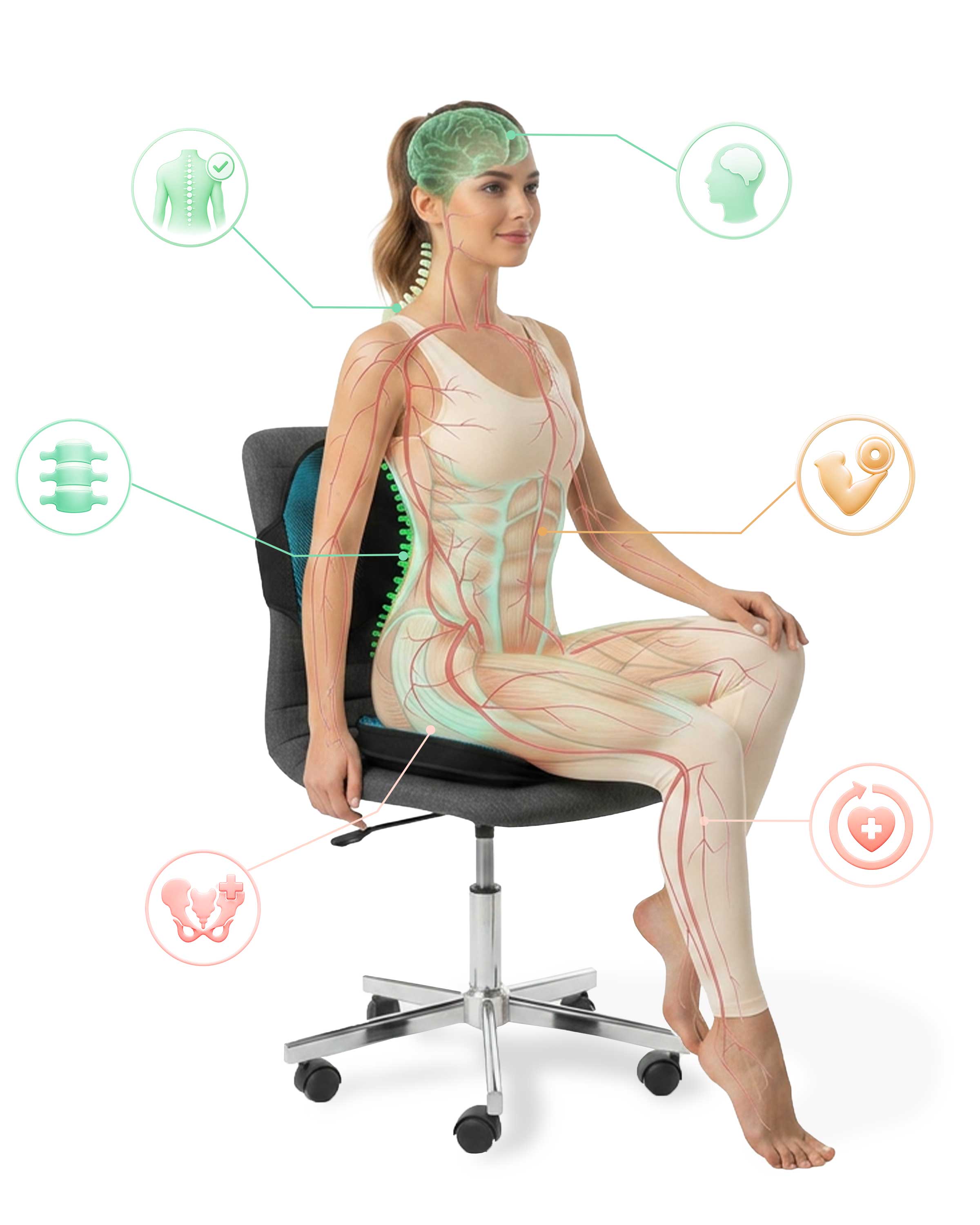
Active sitting is not a single effect. It is a chain of small bodily responses.
Static or active sitting?
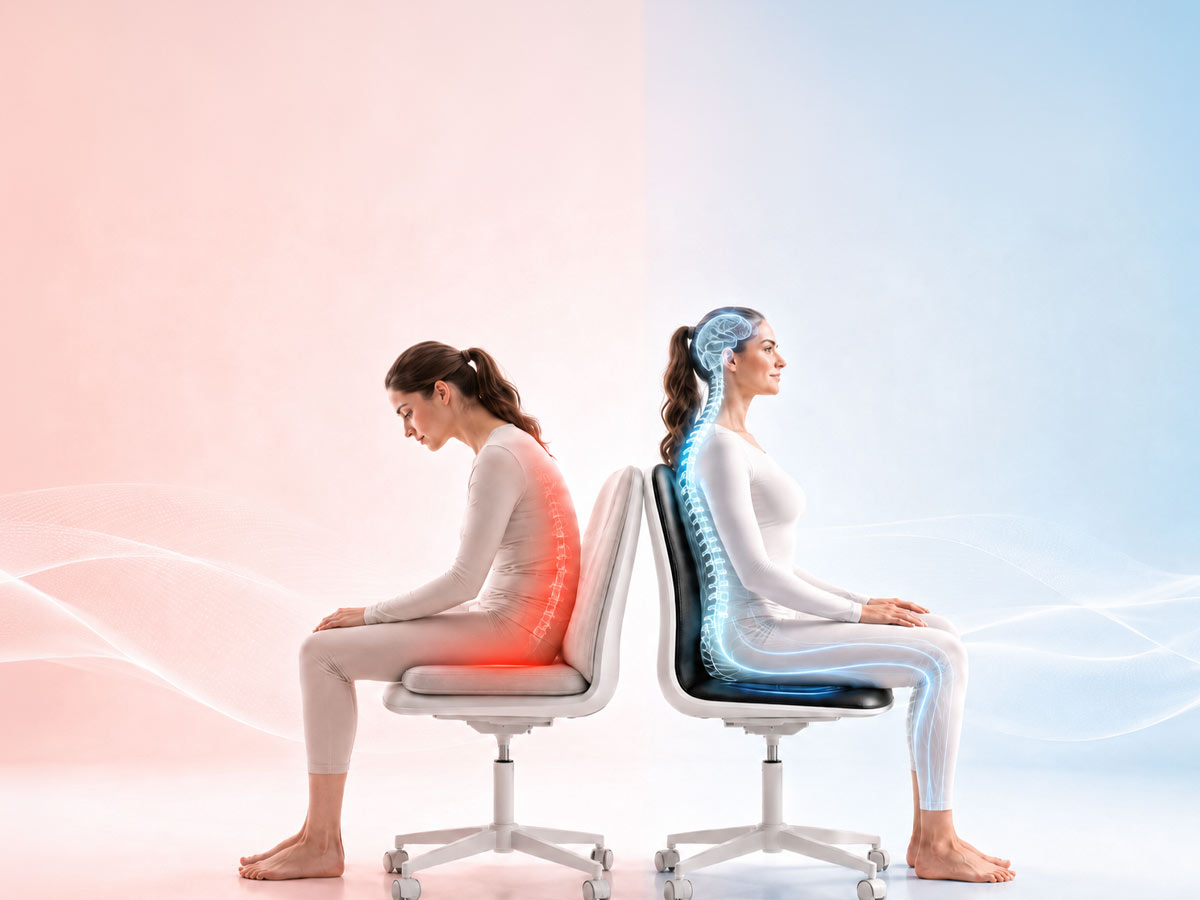
Traditional and active sitting compared.
Sitting pattern
Pelvic movement
Muscle activity
Static loading
Comfort
Posture
Position changes
Main benefit
Prolonged stillness or continuous response.
The body remains in the same position for a long time.
The body continuously seeks balance.
Movement that occurs naturally.
Weight shift
Cushion response
Body correction
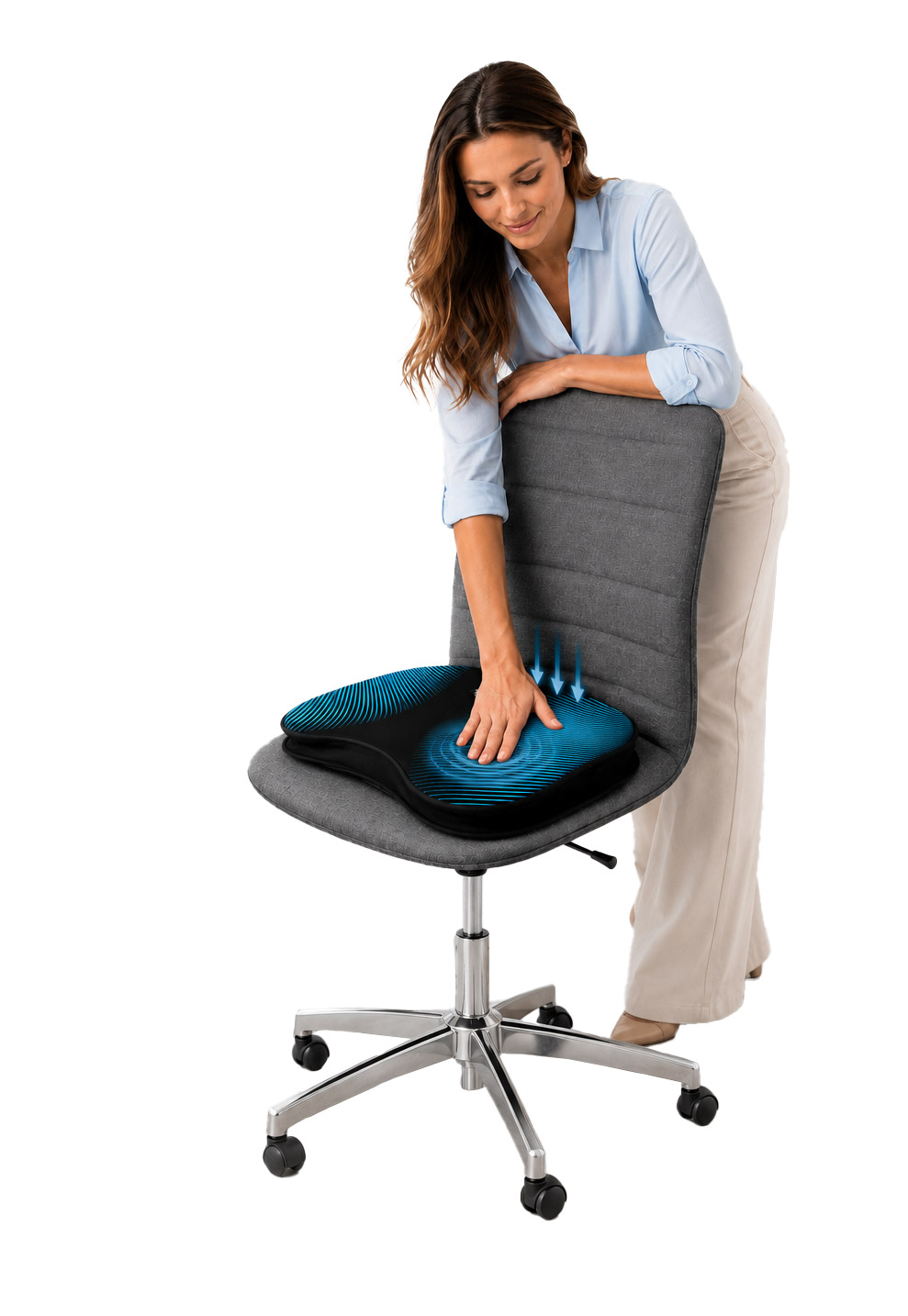
An ordinary chair. A more active way to sit.
The best position is the next one.
Do not just sit more softly. Sit more actively.
Improves mental concentration
Activates blood circulation
Strengthens abdominal and back muscles
Supports correct posture
Reduces pressure on the intervertebral discs
Reduces pressure on the pelvic floor and coccyx